about the collection
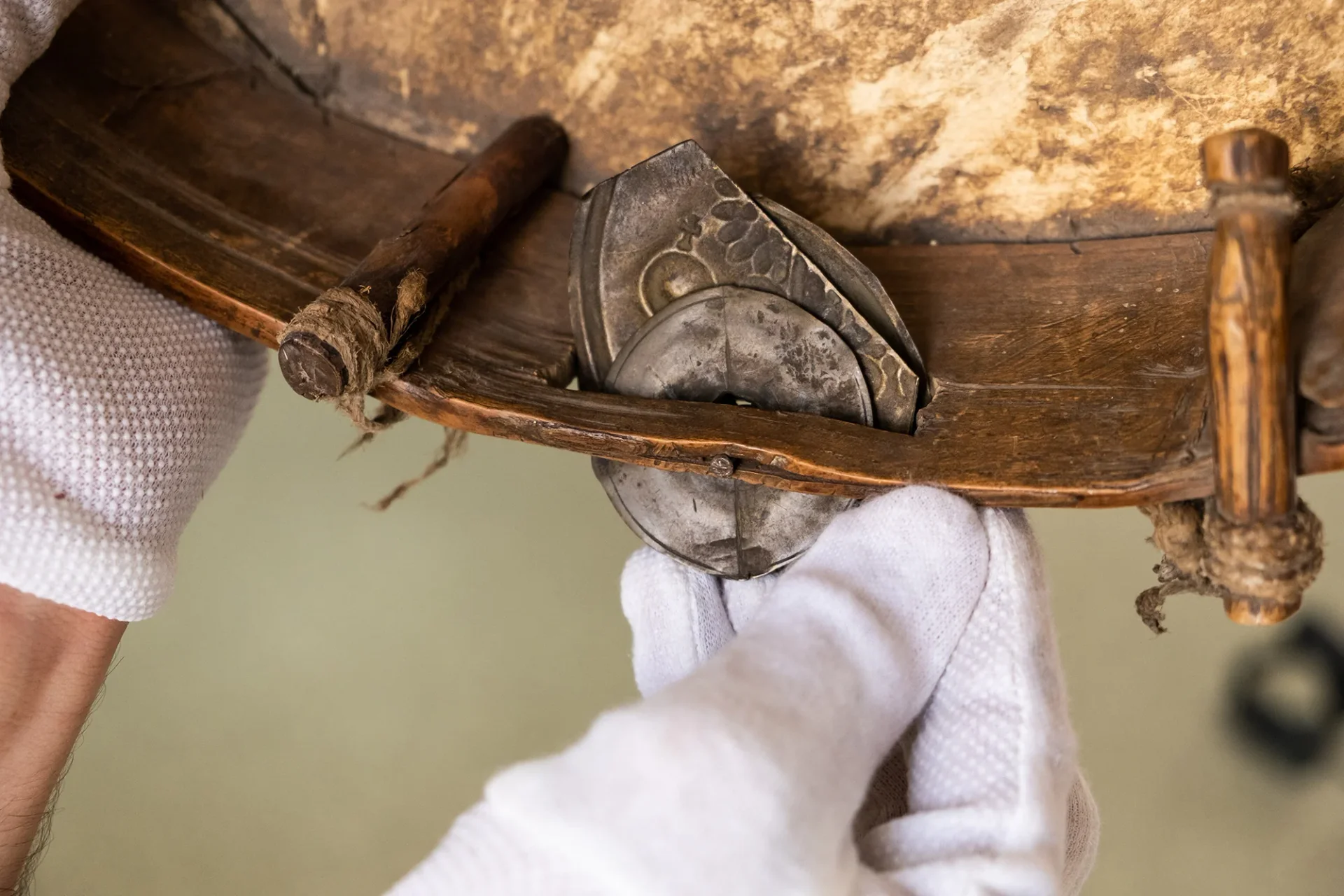
bubny.in.ua is Ukraine’s only multimedia resource dedicated to the traditional Ukrainian musical instrument known as the bubon.
The project’s author and advocate is Andrii Levchenko, a musician and researcher of traditional music. Andrii has undertaken dozens of expeditions across Ukraine, documented numerous photographs and videos of bubon playing, systematised playing techniques, and studied how the instrument is made.
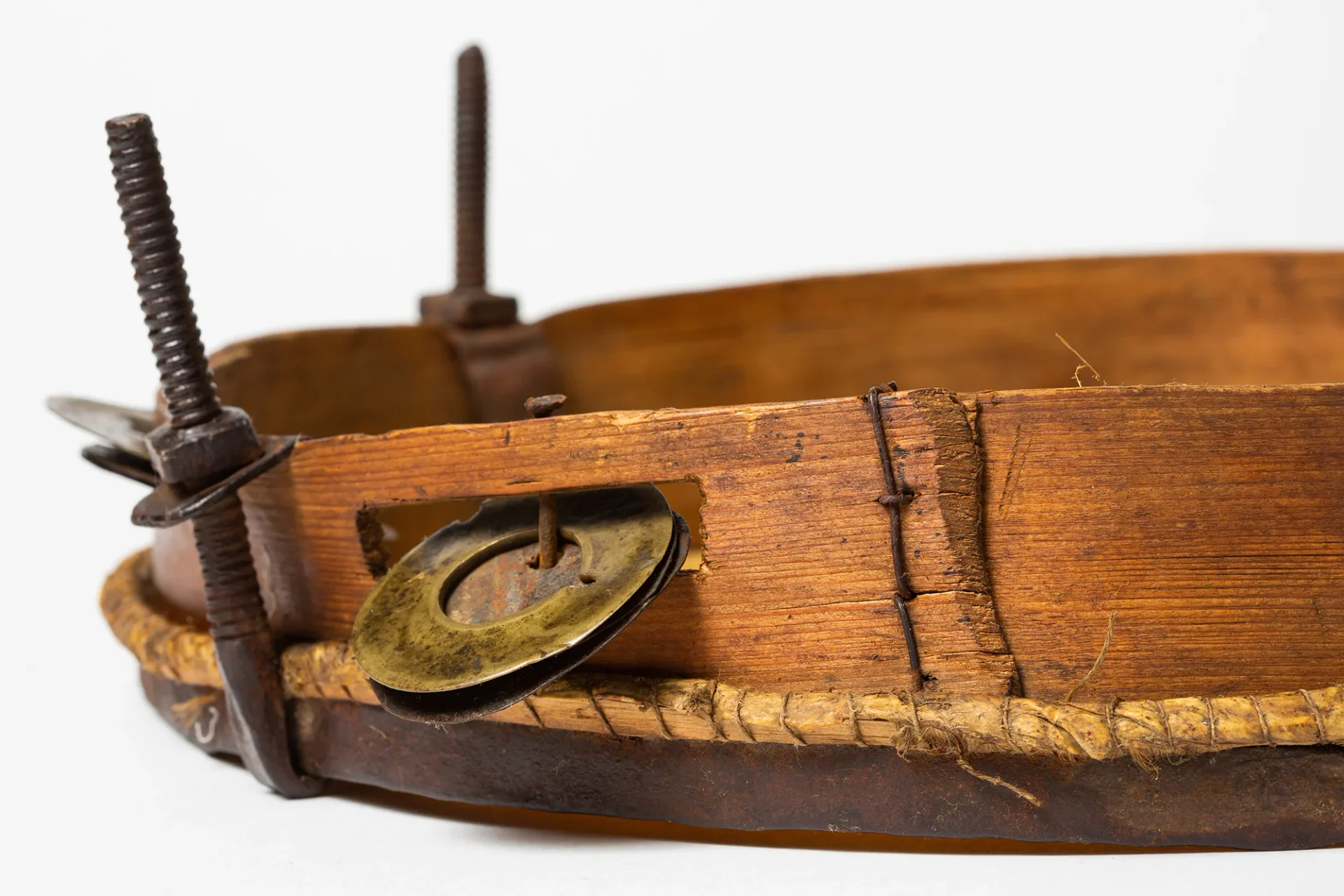
The Collection section presents examples of the instruments. Most belong to the musician’s private collection, while the catalogue also documents museum exhibits.
The Photo section contains an extensive selection of images of Ukrainian village musicians whose ensembles invariably included a bubon.
the collection in numbers
a few words about the bubon
Ukrainian musicians made their instruments themselves or commissioned them from a craftsman, guided by their own needs, the materials available, and local production techniques.
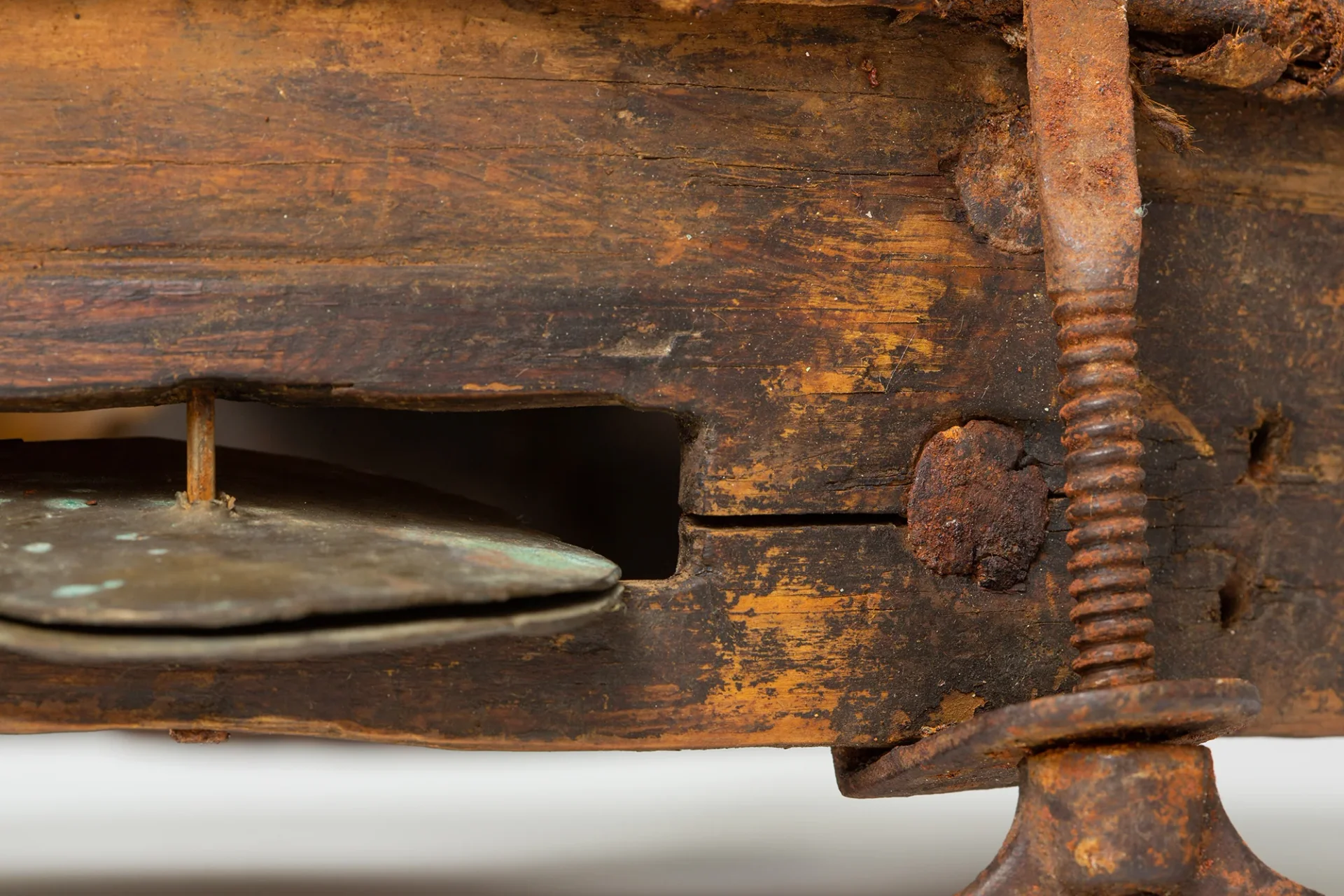
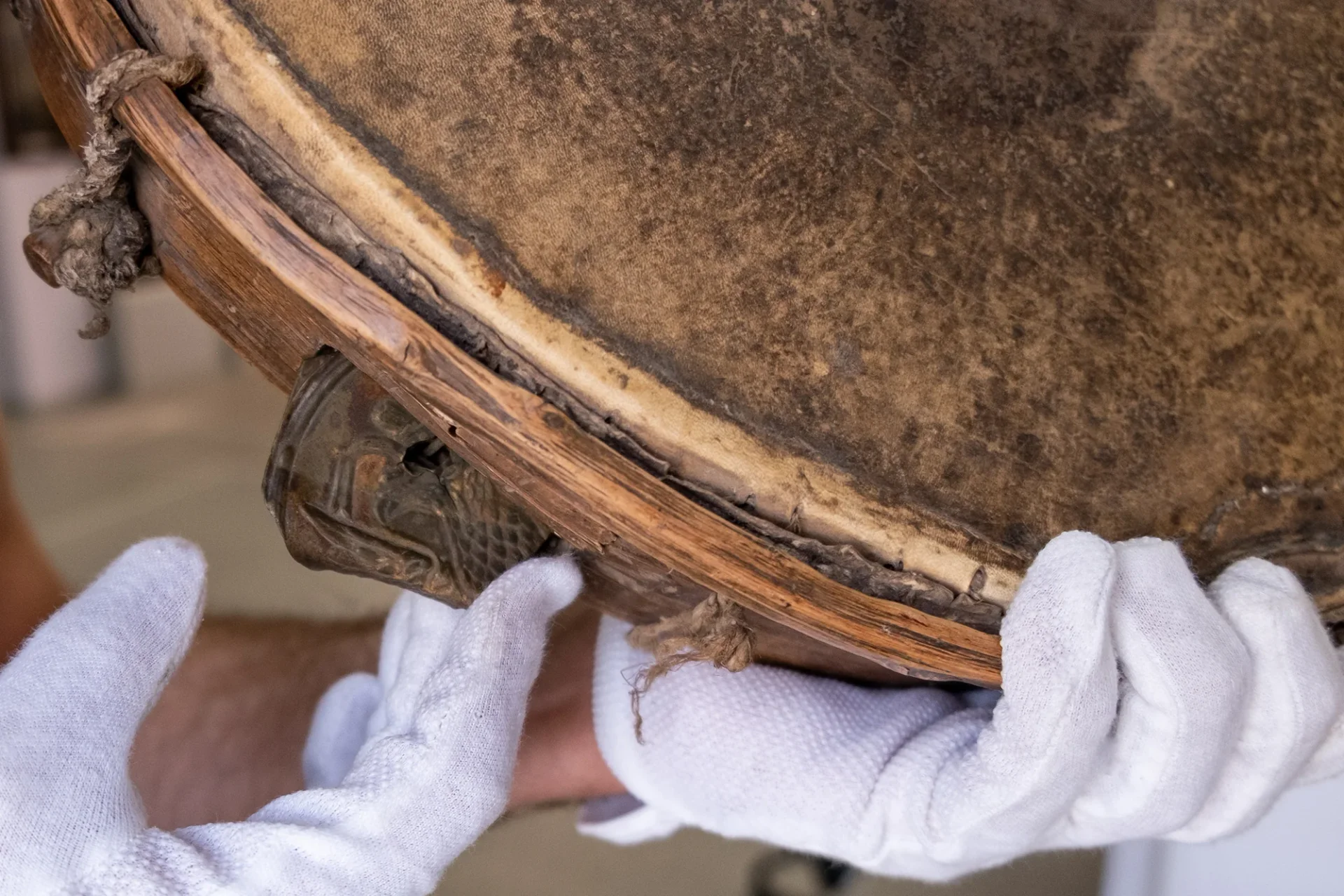
Handmade bubons came in countless variations and differed in their materials, quality, and decoration. These characteristics shaped both the instrument’s timbre and the playing technique. The rim was usually bent from wood, while dog, cat, calf, or goat skin was most commonly used for the membrane.
Two hundred, one hundred, or even fifty years ago, the sound of a violin and bubon could be heard throughout Ukraine, from the Carpathians to the country’s eastern borders. A second violin, a cimbalom, or a bass was sometimes added. These instruments formed the core of traditional Ukrainian music ensembles. After the Second World War, the button accordion began to displace the violin, which explains why so many village photographs show a bubon paired with an accordion.
The button accordion, wind instruments, and other new, louder instruments called for louder percussion. Over time, single-membrane bubons in western and northern Ukraine, and occasionally in its central regions, gave way to large drums fitted with a cymbal.
does anyone still play the bubon today?
Musicians who play the bubon and remember how to make one can still be found in villages throughout Ukraine. However, far fewer bubon players remain who performed alongside violinists and remember the more intricate traditional playing techniques.
In recent years, numerous ensembles performing traditional Ukrainian music have also emerged in cities, often accompanied by a bubon. Their members undertake expeditions to visit village musicians and learn the secrets of traditional playing, while also organising parties and educational events. More and more craftspeople in Ukraine are studying historical techniques and creating replicas of various musical instruments.

about the author and the people behind the project
Andrii Levchenko is a musician with US Orchestra and Nadobryden and a researcher of Ukrainian percussion instruments. He studies traditional instrumental music through expeditions and research in libraries and archives, while also collecting and recreating these musical instruments.
Andrii’s team consists of people who embraced the idea and devoted tremendous effort to bringing this resource to life. Daryna Kotliarenko was the first to believe in the project and took the first photographs of the bubons. Yevhen Dmytrychenko helped build the website. Yulia Ostroushko photographed the largest number of instruments and, one might say, established the aesthetic standard for depicting them. Kateryna Kapra developed the visual identity and project logo, helped edit the texts, and contributed to many other tasks.
Photographers from several Ukrainian cities also contributed by documenting instruments in local museums: Taras Hipp in Lviv, Andrii Kushkovyi in Starokostiantyniv, and Dmytro Skachkov in Zhytomyr. Photographer Marta Ivanek took photographs in museums and during expeditions, while retoucher Vita Bartosh assisted with image processing.